

Identity theft happens when someone uses your personal information — your name, Social Security number, credit card numbers, or other details — to commit fraud. They might open credit cards in your name, file fake tax returns, or drain your bank account.
It’s more common than most people realize, and it can take months to clean up. But you can make yourself a much harder target with a few simple steps.
How Thieves Get Your Information
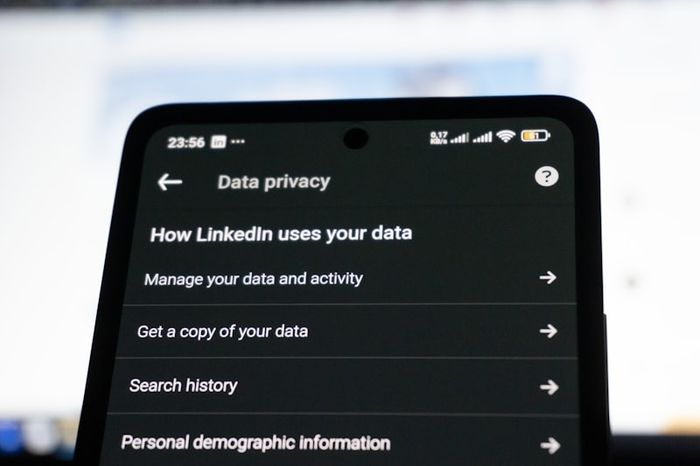
Criminals don’t need to be sophisticated hackers. They steal identities through:
- Data breaches — When a company you have an account with gets hacked, your info ends up for sale online
- Phishing emails — Fake messages pretending to be your bank, the IRS, or Amazon that trick you into entering your login details
- Mail theft — Stealing bank statements, tax documents, or pre-approved credit card offers from your mailbox
- Social media oversharing — Your birthday, mother’s maiden name, and pet’s name are often security question answers
If a company you have an account with announces a data breach, take it seriously. Change your password immediately and watch your accounts for suspicious activity.
How to Protect Yourself
1
Freeze your credit. This is the single most powerful step you can take. A credit freeze prevents anyone from opening new accounts in your name. It’s free and takes about 10 minutes. You need to do it at all three bureaus: Equifax (equifax.com), Experian (experian.com), and TransUnion (transunion.com).
2
Use strong, unique passwords. Every account should have a different password. Use a password manager (like Bitwarden or 1Password) to keep track of them. This way, if one account gets breached, the criminals can’t access your other accounts.
3
Turn on two-factor authentication. For your email, banking, and social media accounts, enable two-factor authentication (2FA). This means even if someone gets your password, they still can’t log in without a code sent to your phone.
4
Shred sensitive documents. Before throwing away anything with your personal information — bank statements, medical bills, tax documents — shred it. A basic cross-cut shredder costs around $30.

Freezing your credit is free and doesn’t affect your credit score. You can temporarily lift the freeze whenever you need to apply for a loan or new credit card — it takes about 5 minutes online.
Warning Signs of Identity Theft
Watch for these red flags:
- Bills or collection notices for accounts you didn’t open
- Unexpected drops in your credit score
- Calls from debt collectors about debts that aren’t yours
- Missing mail or emails about account changes you didn’t make
Quick Win
Freeze your credit at all three bureaus today. It’s the single best defense against identity theft and it’s completely free.