
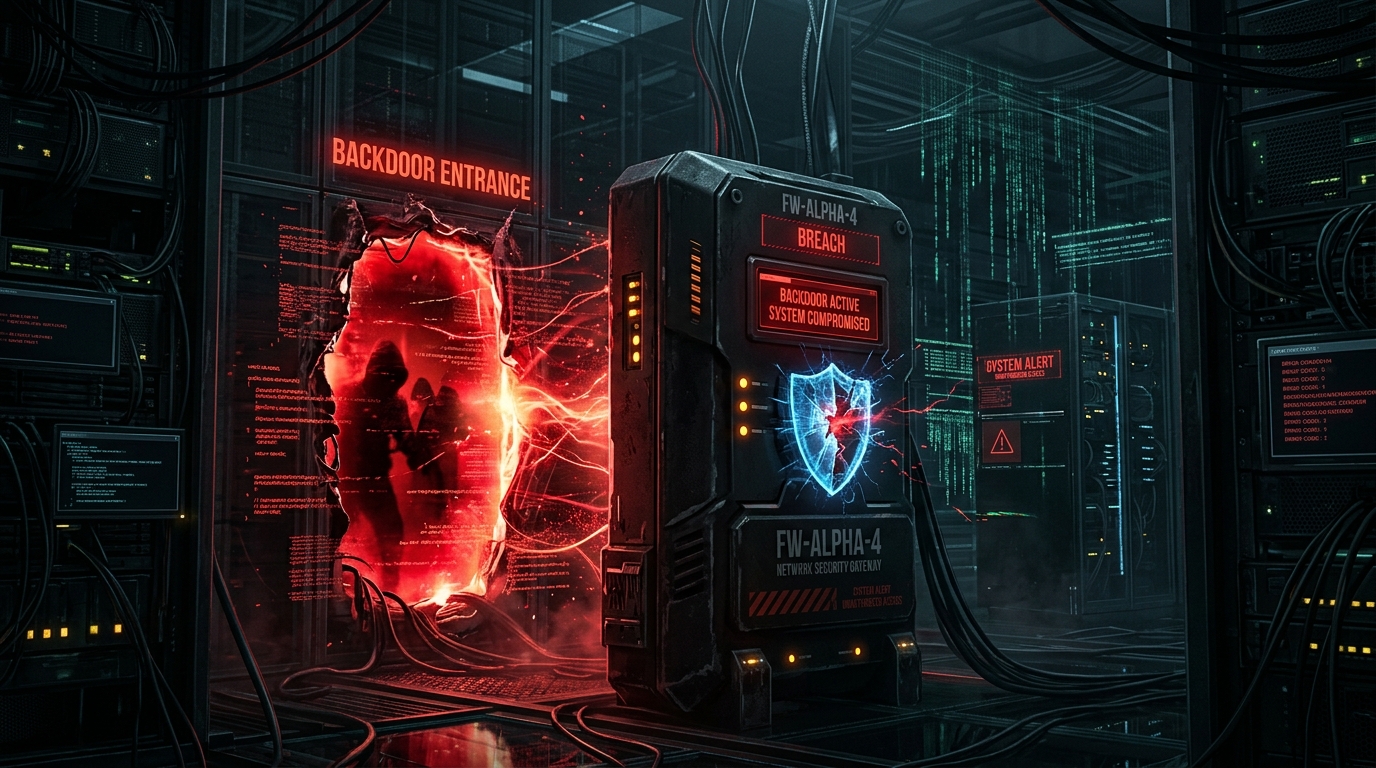
A sophisticated new backdoor named FIRESTARTER has been discovered infecting Cisco Firepower devices, specifically targeting federal infrastructure. The backdoor demonstrates a high level of persistence, allowing it to remain on compromised systems even after security patches have been applied.
The FIRESTARTER Threat
According to recent cybersecurity analyses, the FIRESTARTER backdoor is designed to deploy a post-exploitation toolkit called LINE VIPER. This toolkit enables threat actors to:
- Re-establish access to compromised devices at will.
- Execute arbitrary commands with high privileges.
- Evade standard detection mechanisms.
- Maintain persistence across reboots and firmware updates.
Impact and Mitigation
The targeting of federal Cisco Firepower devices indicates a highly motivated and capable threat actor, likely a state-sponsored advanced persistent threat (APT) group.
How to check for compromise: Organizations using Cisco Firepower devices should immediately review system logs for unauthorized access and unusual command executions. Security teams must look for indicators of compromise (IoCs) associated with the LINE VIPER toolkit.
Required Actions: Due to the persistence of the FIRESTARTER backdoor, simply applying recent Cisco patches may not be sufficient to remove the threat if the device is already compromised. Security administrators should:
- Conduct deep forensic analysis on all Cisco Firepower appliances.
- Consider factory resetting devices if compromise is suspected, followed by updating to the latest secure firmware.
- Review network traffic for anomalous outbound connections from security appliances.
For full technical details and IoCs, consult the original advisory.